
The support a heritage site manager in Canada needs falls into seven practical categories: getting your site listed and found, drawing visitors through the gate, telling your story well, working respectfully with Indigenous communities, serving teachers and families, caring for the physical fabric of the place, and learning from people who run sites like yours. Most managers are doing all of this at once, often with a small team and a stretched budget, so knowing where to look matters as much as the work itself.
Think of a site registration listing as your place on the national map. Event promotion tools fill the calendar. Interactive storytelling resources turn a walk through old walls into a virtual journey that visitors can carry home or explore before they arrive. Indigenous partnership and interpretation resources help you tell a fuller history, one that begins long before any fort, mill, or mission was built. Educator materials open the door to classrooms and family outings. Conservation and stewardship guidance protects what you have inherited. Peer networks give you colleagues who’ve faced the same leaky roof or thin winter attendance.
No single platform does everything, and none should. The roundup below is a curated toolkit, chosen for how well each type of support serves real site needs.
How We Chose These Resources for Historic Site Managers
Choosing these seven resources felt a little like planning a route through a country this big: you can’t visit everywhere, so you decide what really matters along the way. We asked a simple question of each one. Would it help a site manager earn recognition, tell the place’s story well, welcome visitors, keep the doors open and the roof sound, and work respectfully with the communities connected to that history? And would it be practical for a volunteer-run museum with a handful of helpers as much as for a large institution?
That practical test shaped the shortlist. Some ideas, such as interactive exhibits, sound grand but can start small, and we gave extra weight to anything a site can begin on a modest budget. We also looked for guidance that honours living heritage traditions alongside the buildings and artifacts.
Here is what each resource had to offer:
- Useful to both small and large sites.
- Relevant to Canadian heritage and its regional diversity.
- Supportive of respectful Indigenous storytelling.
- Accessible to non-specialists, without heavy jargon.
- Lasting in value, year after year.
That last point matters most. We favoured types of resources over one-off or time-sensitive offerings, so this list should stay useful long after the season changes.
1. A Site Registration Listing, Your Place on the National Map
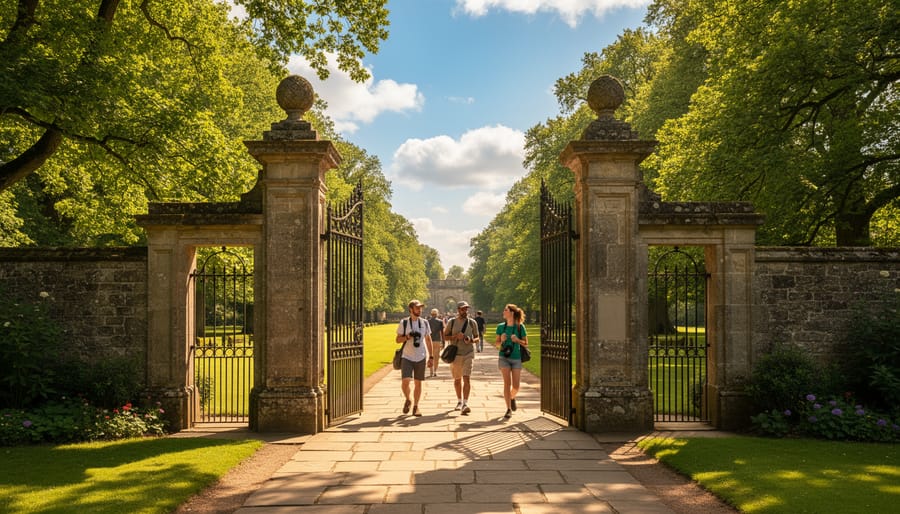
Picture a visitor in Halifax who has never seen a fur trade post on the Saskatchewan River. Before she ever packs a bag, she types a few words into a search bar. What she finds first is your listing, and for many people it will be their very first meeting with your site.
Registering on a national heritage platform puts your place on the map in a literal sense. It makes you visible to travellers, teachers, and history lovers across the country, and it can open a path toward wider national recognition. A listing works like a front door to a virtual journey: someone can step through it from another province, learn what makes your site matter, and decide whether to come in person.
A strong listing is built from a few simple parts:
– A clear story. Say what happened here, who lived or worked here, and why it still matters, including Indigenous history that came before and runs alongside later settlement.
– Location and access details. Give the address, seasonal hours, and information on accessibility and parking.
– Photographs. Show the site as visitors will find it, with a good exterior view and a few interior or landscape shots.
– Contact information. Provide a name, an email, and a phone number so people can reach someone who knows the place.
Once your listing is live, it can lead people into other ways of exploring. A teacher who finds you might pair your page with virtual field trips for a class that cannot travel, which means your story can reach rooms you will never see.
2. Event Promotion Tools for Bringing Visitors Through the Gate
A commemoration, a re-enactment, a heritage day: each one only works if people know about it. Event calendars and promotion channels are how a site’s best moments reach visitors who might otherwise drive past. A good calendar listing puts your date in front of families planning a weekend, teachers hunting for a field trip, and travellers building a route across the country.
Start earlier than feels necessary. Seasonal programs, in particular, are planned months ahead by the people most likely to attend, so a listing posted a few weeks out misses much of the audience. Settle your dates, confirm your volunteers, and publish before the rush of summer plans fills everyone’s calendar.
Then think about how the description reads. A list of times and ticket prices tells people little. An invitation tells them why they should come. Compare “Heritage Day, 10 a.m. to 4 p.m.” with “Step through the gate and hear how this fort’s first winter was survived, then try the bread baked in the original oven.” The second one lets a stranger picture the day.
Tie each event back to the site’s larger story. A re-enactment feels richer when it connects to the people who lived there before and alongside the story being told, and a seasonal program lands better when it echoes a theme visitors have already met in your listing. That consistency turns a one-off date into part of a journey.
Many sites also pair live events with an online preview. Offering a taste of virtual reality heritage can draw in people who can’t attend in person and encourage them to plan a visit later.
3. Interactive Storytelling Resources for Telling Your Site’s Past
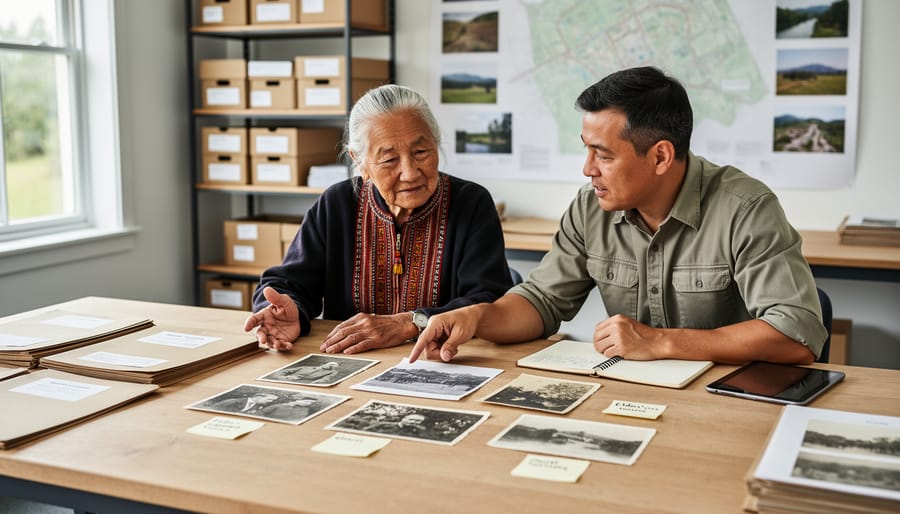
A date on a plaque tells a visitor when something happened. A story tells them why they should care. The most useful storytelling resources start with a person, put them in a place, and build toward a turning point, so that 1885 becomes the winter a family decided whether to stay or leave.
Story-led signage is the simplest way to begin. Instead of a block of dates, open each panel with a question or a moment: who stood here, what did they hear, what changed? Keep the facts, but let them follow the narrative rather than lead it.
Virtual tours and audio walks extend that same approach beyond the gate. A short recorded walk, even one made on a phone, can guide a visitor from the front door to the orchard to the old well, with each stop adding a layer to the tale. Layered timelines work the same way online: one thread for the site’s buildings, another for the families who lived there, and another for the Indigenous history that came before and continues alongside.
This structure helps different visitors in different ways. Teachers get a clear arc to build a lesson around. Families get a thread to follow with restless children. A curious traveller in another province gets a reason to plan a visit.
A small budget is no barrier. Many sites begin with a single story, told well, using a smartphone recording, a handful of archival photographs, and a few volunteers willing to share what they know. Build from there, one narrative at a time.
4. Indigenous Partnership and Interpretation Resources
Every historic site in Canada stands on land with a long human story that began well before the first fort, mill, or railway station. Telling that fuller history means working alongside the Indigenous communities whose ancestors shaped these places, rather than writing about them from a distance. Elders and knowledge keepers carry understandings of land, season, and memory that no archive can fully hold, and their guidance can turn a single-chapter site into one that holds several truths at once.
The most useful habit is to start early. Reach out while a project is still taking shape, not after the signage is drafted, so that the conversation can change the plan instead of merely approving it. Be patient with timelines, since good relationships rarely move at the pace of a grant deadline. Ask what stories the community wants told, and just as importantly, what should be left untold.
A few respectful practices tend to serve sites well:
– Credit the people and communities who share their knowledge, in the same way you would cite any other source.
– Use Indigenous place names and languages with care, checking spelling and pronunciation with the community and never treating them as decoration.
– Describe Indigenous peoples as living, present communities, not only as figures from the distant past.
– Avoid stereotypes, including the romantic ones, and let the community’s own voice set the tone.
– Offer fair recognition for the time and expertise people give, because their work is real work.
Approached this way, partnership becomes part of how a site cares for its story all year long, not a single exhibit panel. Visitors sense the difference. A place that listens first tends to be one people trust, and one they want to return to.
5. Educator and Learning Materials for School and Family Visits
A site that welcomes teachers and homeschooling families reaches far beyond its own gates. Curriculum-friendly materials let an educator slot a visit, real or virtual, into a unit they’re already teaching, so the story of your place becomes a natural fit rather than an extra.
Start with activity sheets. A one-page scavenger hunt, a “find the clue in the building” prompt, or a simple timeline to fill in can turn a walk through a site into a shared investigation. Write them in plain language, the way you’d explain the place to a curious ten-year-old, and let the questions point children toward real objects, rooms, and landscapes.
Virtual classroom visits stretch that reach even further. A short video call from the site, with a few artifacts held up to the camera, can bring a prairie homestead or a fur trade post to a class in another province. Pair it with a recorded version so schools in different time zones can join in later.
Simple learning kits work well on a modest budget. Gather a handful of replica objects, a few photographs, a map, and a short story card, then let families borrow or print the pieces. Many managers find that the strongest kits grow out of collaborative preservation work, where community members, volunteers, and local historians help shape what goes inside. In fact, collaborative preservation often supplies the very stories a kit needs to feel alive.
6. Conservation and Stewardship Guidance
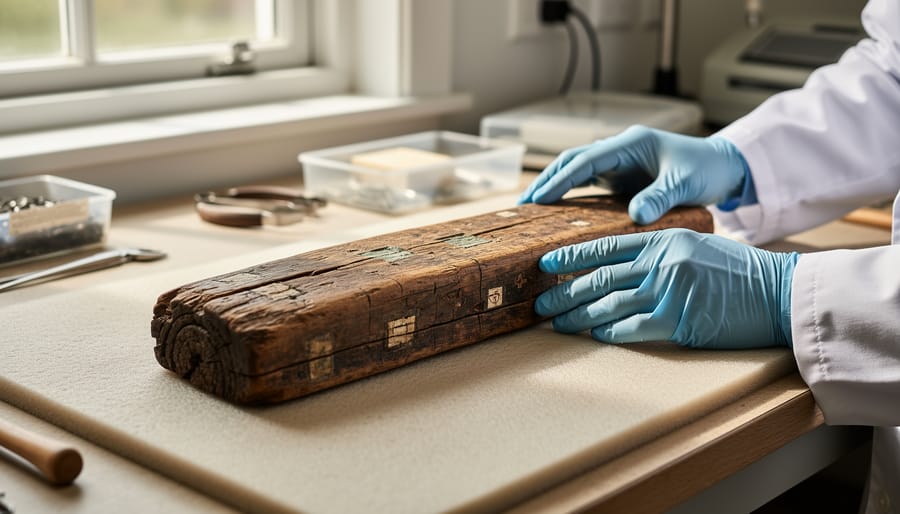
A historic site is only as secure as the care behind it. Conservation guidance helps managers look after the things visitors come to see: the buildings, the grounds, the archives, and the artifacts tucked away in storage. The good news is that sound stewardship rests on a few simple principles, and most of them cost more in attention than in money.
Think of the habits that keep any old place standing:
- Document what you have, from structures to small objects, with photographs and written notes.
- Inspect on a schedule, so a damp corner or a loose shingle is caught early.
- Plan before problems grow, setting aside time and funds for repairs you can already see coming.
- Record the stories attached to objects and places, because memory fades faster than wood.
Beyond these habits, it helps to know where to look for outside support. National and provincial heritage bodies often publish practical guidance on caring for historic buildings, landscapes, and collections, and many offer standards for how restoration work should respect a site’s original character. Museum and archival associations tend to share advice on handling and storing delicate materials, while regional heritage organizations can point you toward local expertise.
Funding is worth investigating too. Governments at several levels, along with heritage foundations and community trusts, have supported conservation projects over the years. Check each organization’s website for what is currently on offer, since terms and eligibility change. Even a modest plan, written down and revisited each season, gives a small site a real head start.
7. Peer Networks and Shared Knowledge Among Site Managers
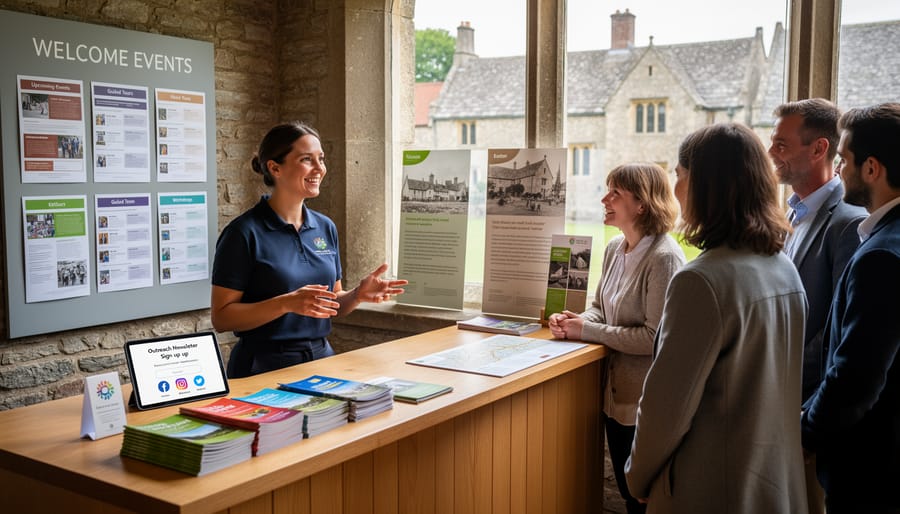
Running a historic site can feel lonely, especially when the staff is three people and a roster of devoted volunteers. Yet almost every problem you face has already been solved by someone else down the road, or across the country. That’s the quiet strength of peer networks.
Think of a regional heritage association as a shared kitchen table. Managers pull up a chair and trade what actually works: how to steer a school group away from a bottleneck in a narrow farmhouse hallway, how to stagger volunteer shifts when the summer rush hits in July, how to design a harvest weekend that draws families without overwhelming a small crew. These are lessons you rarely find in a manual, because they come from muddy boots and hard-won experience.
Networks also make seasonal planning easier. When sites share calendars, they can avoid scheduling competing events on the same weekend and even build joint programming, like a self-guided route linking several nearby places. Volunteer groups add another layer, offering skills in carpentry, gardening, research, or hosting that a small budget could never buy.
Start modestly. Attend one regional gathering, join a provincial association’s mailing list, or simply call the manager of the site nearest you. Ask what they’d do differently. Then share your own lessons in return, because the best networks run on generosity going both ways.
Common Questions From Site Managers About Heritage Resources
Most managers arrive with the same handful of practical worries, so here are straight answers to the ones we hear most often.
How do I start registering my site?
Begin by gathering the basics: a clear account of the site’s story, its location and access details, a few good photographs, and a contact person. With those in hand, a registration listing becomes a simple matter of filling in the details and letting your place be found.
Can a small, volunteer-run site really use these resources?
Absolutely. Start with one resource, such as a listing or a single story-led sign, and build from there. Peer networks are especially valuable for small teams, since other managers have often solved the same seasonal staffing and visitor-flow puzzles.
How do I tell my site’s story on a tight budget?
Write the story the way you would tell it to a curious neighbour, then place it where visitors will meet it: on a sign, in a short audio walk, or on your listing. Small, well-told narratives often land better than expensive displays.
How can we include Indigenous perspectives thoughtfully?
Reach out early to Indigenous communities, Elders, and knowledge keepers, and invite them to shape how their history is told rather than simply reviewing it afterward. Credit your sources, use place names and languages with care, and let the fuller story run alongside your site’s colonial chapters.
None of these answers requires a large budget or a specialist’s training. They ask mostly for patience, good listening, and a willingness to take the first small step.
Final Takeaway: Keeping Canada’s Stories Open to Every Visitor
A historic site stays alive when many small efforts work together. Recognition gives it a place on the map, events bring people through the gate, and storytelling turns dates into something a visitor can feel. Partnership with Indigenous communities widens the story, learning materials welcome students and families, stewardship protects what remains, and a network of fellow managers keeps no one working alone.
You don’t need to do everything at once. Choose the one resource that fits your site’s needs today, whether that is a stronger story, a first event, or a conversation with a neighbouring community. Then register your site on Northwest History Travel Events, and join a growing journey through Canada’s past that stays open to every visitor, near and far.
